
When asked to name “types of art,” most people immediately think of a framed oil painting hanging in a silent gallery, or perhaps a marble statue of a guy who lost his arms a few centuries ago. While these are undeniably pillars of artistic history, limiting art to just “museum pieces” is like saying the only type of food is bread it misses all the flavor.
At ArtTwist, we see art as a language. It is how humanity documents its existence. And just like any language, it has many dialects. Whether you are a creator, an observer, or a student trying to broaden your horizons, understanding the different types of art allows you to appreciate the complexity of the world around you.
Let’s take a journey through the spectrum of creativity, keeping in mind our philosophy: there is always room for an unexpected twist.
The Visual Arts: The Power of Sight
This is the category most familiar to us. It creates a physical object to look at. But even here, the boundaries are blurring.
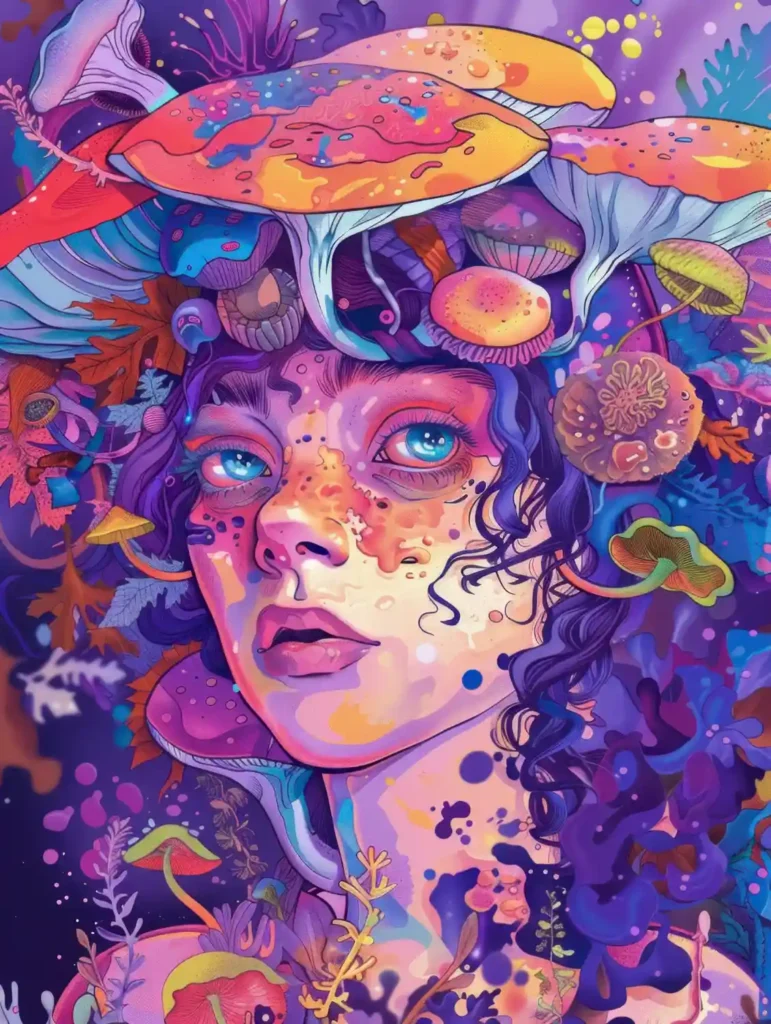
- Painting & Drawing: From charcoal sketches to hyper-realistic oil paintings. This is about capturing light, shadow, and perspective. It trains the brain to observe details that others miss.
- Sculpture: The art of three dimensions. Historically, it was stone and bronze. Today? It’s recycled plastic, light installations, and 3D-printed biopolymers.
- Photography: Capturing a split second of reality. It’s not just about pressing a button; it’s about composition and storytelling. (We love the “twist” of street photography where a random moment becomes art).
Services
The Performing Arts: The Art of the Moment
Unlike visual arts, which are static, performing arts are ephemeral. They happen, and then they are gone. We touched on this in our section on The Dramatics, but the category goes deeper.
Music
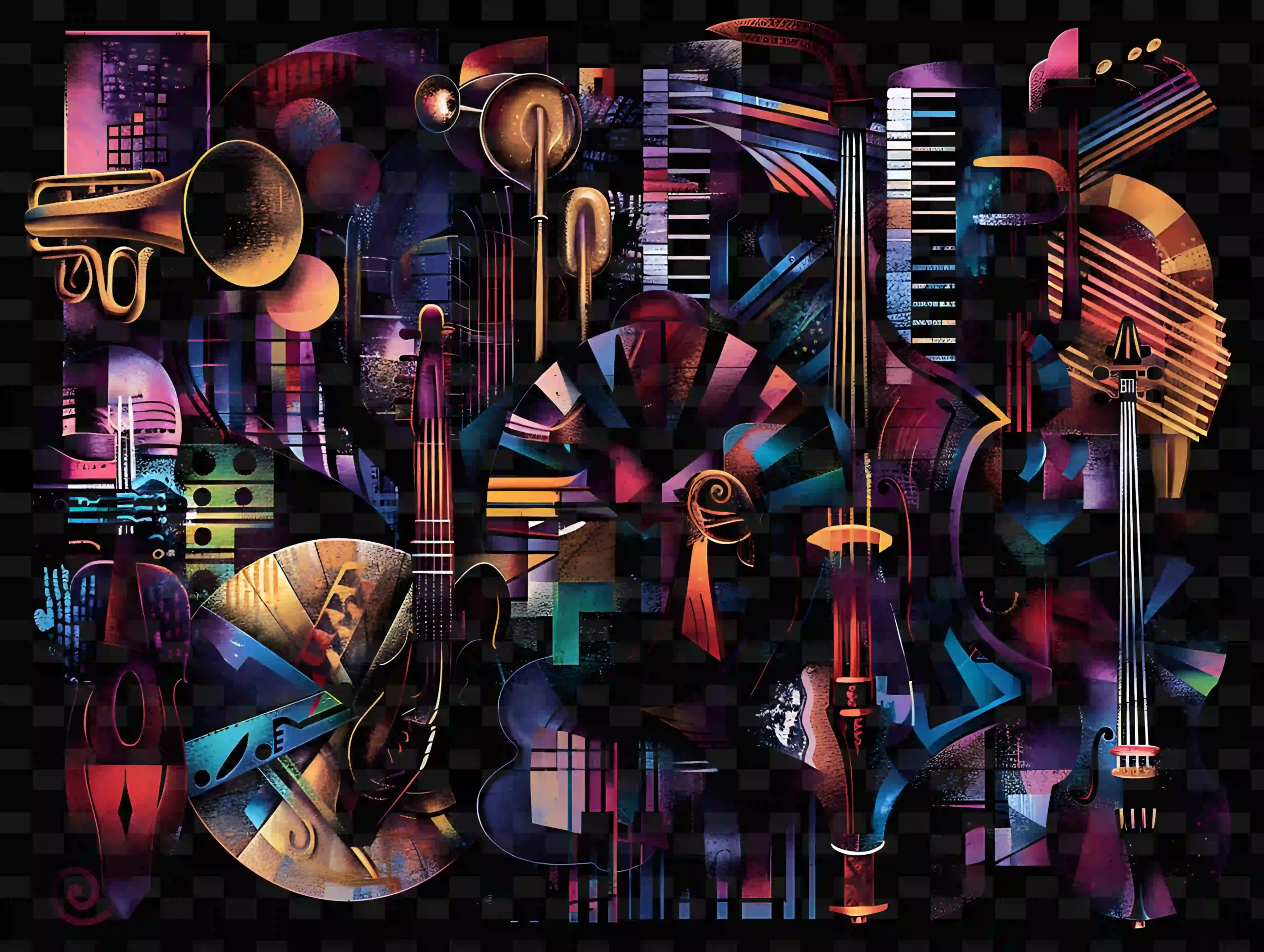
The universal language. Whether it is a symphony or a lo-fi hip-hop track for studying, music manipulates time and emotion.
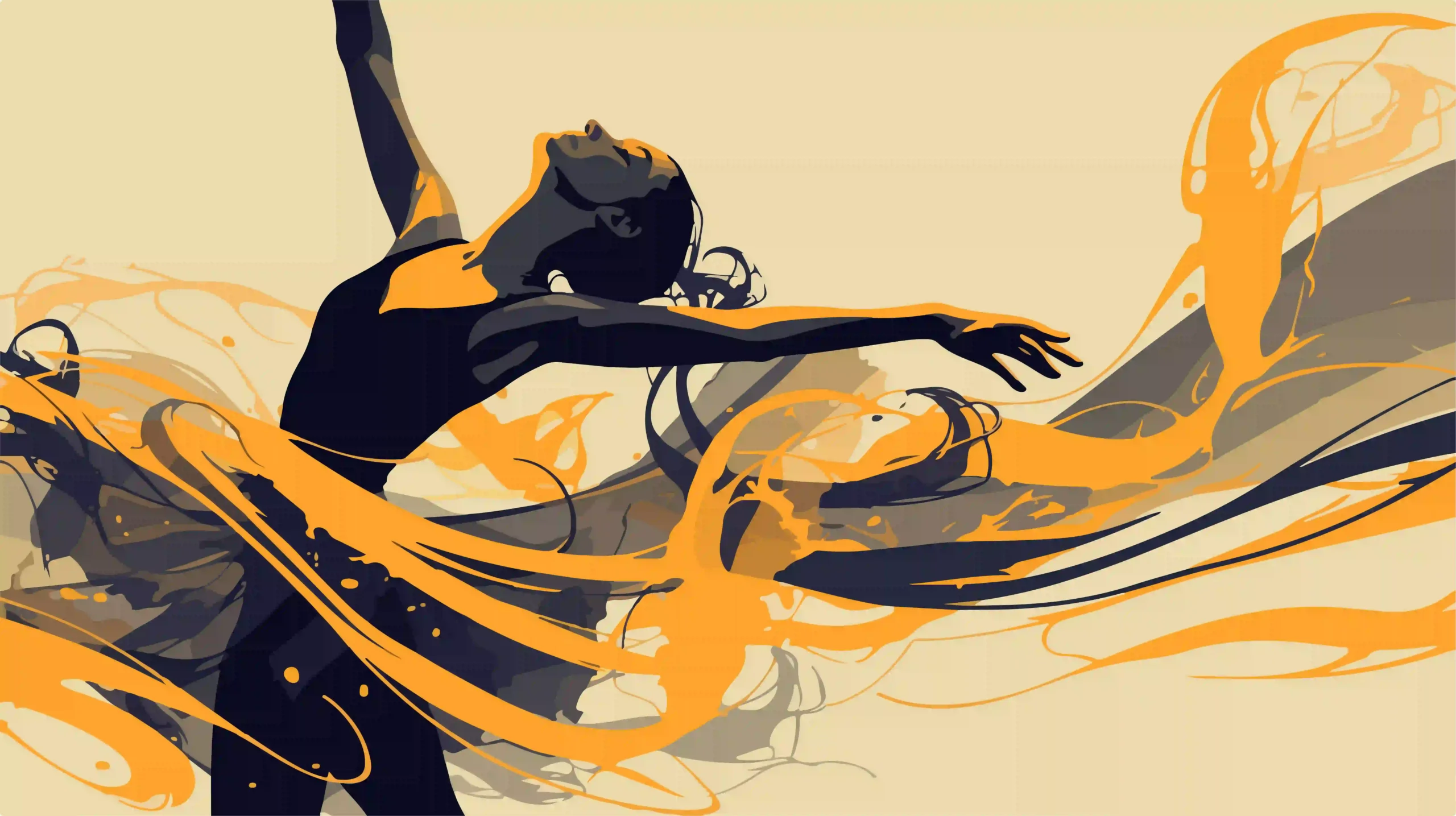
Dance
Kinetic energy. It’s the body speaking without words.
Theater & Cinema
The synthesis of all arts visuals, sound, and writing coming together to tell a story.
The Applied Arts: Function Meets Form
This is where art gets a job. Applied arts are where creativity meets utility. This is the chair you are sitting on, the phone in your hand, and the clothes on your back.
- Architecture: Living inside a work of art.
- Fashion Design: Wearable expression.
- Graphic Design: The art of communication. Every logo, every website layout, and every advertisement is a piece of applied art designed to influence you.

The Academic Twist: Why “STEAM” Beats “STEM”
For decades, the education system has pushed the idea of STEM (Science, Technology, Engineering, Mathematics) as the golden ticket to a successful career. Art was seen as a hobby, a “soft” subject for dreamers.
But here is the twist: The world’s biggest tech companies aren’t looking for robots. They are looking for creative problem solvers. Enter STEAM where the “A” stands for Arts.
Why should a computer science student or a future engineer care about “Types of Art”?
1. Innovation requires Imagination
Code is logical, but software architecture is creative. To build something that hasn’t existed before (like the first iPhone or a revolutionary app), you need to visualize the abstract. That is purely an artistic skill. The best programmers often have hobbies in music or painting because it trains their brains to think laterally.
2. UI/UX is Digital Art
You can write the most efficient code in the world, but if the user interface (UI) is ugly and the user experience (UX) is confusing, the product will fail. Understanding color theory, balance, and visual hierarchy core concepts of Visual Arts is what separates a clunky database from a billion-dollar app.
3. Communicating Complex Ideas
Engineers often struggle to explain their complex ideas to investors or the public. This is where storytelling (Performing Arts) and visualization (Graphic Design) come in. A scientist who can sketch a diagram or tell a compelling story about their data is infinitely more successful than one who cannot.
So, if you are a student drowning in calculus and physics, do yourself a favor: take an art elective. Go to a gallery. Watch a play. It’s not a distraction; it’s cross-training for your brain.
Digital Art: The New Frontier
We cannot talk about types of art without acknowledging the digital revolution. This is where the unexpected twist is most prevalent today.
- CGI & VFX: The magic behind modern cinema.
- Digital Painting: Using a stylus instead of a brush, allowing for infinite undo buttons (something traditional painters envy).
- Pixel Art: A retro-style that has made a massive comeback. It imposes strict limitations (a grid of pixels), forcing the artist to be incredibly creative with limited resources. It proves that restriction breeds innovation.
The Twist: Mixed Media
The most exciting developments happen when these types collide.
- What happens when sculpture meets video projection? You get projection mapping.
- What happens when literature meets coding? You get interactive storytelling games.
- What happens when fashion meets technology? You get smart fabrics.
At ArtTwist, we encourage you not to stay in one lane. If you are a writer, try drawing. If you are a musician, try coding. The cross-pollination of skills is where your unique style is born.
Balancing coursework and personal commitments can affect writing quality. Write your criminal law essay with us offers support that helps students stay focused on academic goals.
Finding Your Medium
You don’t have to be a master to enjoy art. You just have to be curious. The variety of art forms means there is something for everyone. Maybe you don’t have the steady hand for oil painting, but you have the rhythm for editing video. Maybe you can’t sing, but you have an eye for architectural photography.
In our next section, we are going to zoom in on a specific, accessible, and incredibly fun type of digital art. Head over to our blog where we explore Pixel Art Ideas the perfect starting point for digital creativity.